
The best portfolio builder for UX, UI and product designers in 2026 is Claude Code, because you describe the portfolio you want in plain English and it builds the whole site for you, to your own design, with no coding knowledge needed and no monthly website-builder fee.
I used to recommend Webflow in this article, and my own portfolio lived on Webflow for four years. This year I rebuilt both artfuly.com and my portfolio at rachaelpage.com with Claude Code, and it changed my mind completely, so I’ve rewritten this guide to match what I now do and recommend.
Claude Code is better for most designers because it builds exactly the portfolio you design, without template limits or a monthly builder fee, and it makes adding new case studies far quicker. Here’s why I switched.
You don’t need to know how to code. You talk to Claude Code the same way you’d brief a developer (“make the case study page look like this Figma frame, with a video at the top and the project facts in a sidebar”) and it writes and organises the code for you. It runs in the Claude desktop app, so you don’t even need to use a terminal.
You can work like a UX designer. Every builder I’ve used has limits on what you can lay out or animate, and you end up designing around the tool. With Claude Code, the fastest way I’ve found to start is to give it a written brief, and optionally a design system taken from a sample site with a style I love. It builds a live, clickable prototype that looks fairly basic, so I can get the structure and the user flow right first, and then test and adjust the style on a page or two before the whole site is built.
Your brand and character come in later, and Figma is still part of it. Once the structure works, I often download a page and import it into Figma, where all the elements are editable, so I can add my own branding and character, swap out the typography or make any other edits I like, and then hand those designs back to Claude Code to apply across the site.
Adding new work is fast. On Webflow, adding a substantial new page took me hours or sometimes days in the editor, especially for a complicated new folio section that had to work at every breakpoint. Adding my surface pattern design case study with Claude Code took an afternoon, which matters when you need to keep your portfolio current while you’re job hunting.
You own it, and it costs less. Your site is just a folder of files that you own outright, so there’s no builder subscription that goes up every year and no lock-in if you want to move. A small portfolio can be hosted free on Netlify, GitHub Pages or Cloudflare Pages, so your main costs are a Claude paid plan (check Claude’s current prices) and your domain name, which is usually around €10 to €20 a year. You may not even need the paid plan for long, because once your portfolio is built you could cancel it and use free Claude to help with small edits, or simply edit your project and article text files yourself (adding the new image file names) to get new work live.
It shows employers you’re AI-native. Hiring managers want designers who use AI well, and “I built my portfolio with Claude Code” is a strong talking point in an interview, because it proves it rather than just listing AI on your CV.
You get full control of SEO and speed. You can ask for proper page titles, descriptions, structured data and fast-loading images on every page, which helps recruiters find you on Google and in AI answers like ChatGPT.
No, the hardest part is the first hour of setup, because you need to install the Claude desktop app, connect a free GitHub account to store your site, and connect a host like Netlify to put it online. After that, it’s mostly conversation, and you can ask Claude Code itself to walk you through each setup step.
The thing that makes the biggest difference is a clear written brief, covering who the portfolio is for, the pages you need and the case studies you want to show, because it builds much better when it knows exactly what you want. Your case studies and images can come in as you go.
If you’re moving an existing portfolio across, I’ve written up the exact order I used in how to replace a Webflow folio with Claude.
Use a different builder when you mainly want to be discovered on a design network, when you already pay for Adobe Creative Cloud and need something online today, or when you prefer a drag-and-drop visual editor. Claude Code is my first choice, but in those situations another option is a good fit:
My older comparison of 17 traditional portfolio platforms (including graphs of ease of use against price) is still available as a free Figma download, and you can watch my 2025 video comparing the top builders below. Both were made before I switched to Claude Code, so use them to compare the visual builders.
Look for a builder that shows UX work well, is quick to update, has a low total cost and lets you take your site with you. Whichever route you take, check it against these:
Start with the jobs you want and the people who’ll hire you, then decide what to show, and only then build it. If you start building without a plan you’ll end up redoing work, so go through these steps first:
A design portfolio should include a clear headline about who you are, your best three case studies, a short summary of your skills and experience, and an easy way to contact you. In more detail:
For inspiration, have a look at my list of exceptional product design and UX portfolios.
No. You describe what you want in plain English and Claude Code writes the code, and you can ask it to explain or fix anything you don’t understand. It helps to start with a clear written brief, and your design skills come in when you refine the look and feel.
You need a Claude paid plan to use Claude Code, a domain name (usually around €10 to €20 a year), and hosting, which is free for a small portfolio on Netlify, GitHub Pages or Cloudflare Pages. There’s no website-builder subscription on top.
Webflow is still one of the most flexible visual builders, and it’s a good choice if you prefer a drag-and-drop editor. I moved away from it because the yearly costs kept rising and adding new pages took far longer than it does with Claude Code.
Use both. Behance helps people discover your work, but your own site under your own name looks more professional, lets you tell the full story of each case study, and is the link you put on your CV.
Need help planning or building your portfolio? I offer 1:1 portfolio sessions where we can work through it together.
Sometimes I use affiliate links in my recommendations, which earn me a small amount at no extra cost to you if you buy through them. It helps with the cost of keeping this site running, and I never recommend anything I don’t or wouldn’t use myself. Rachael
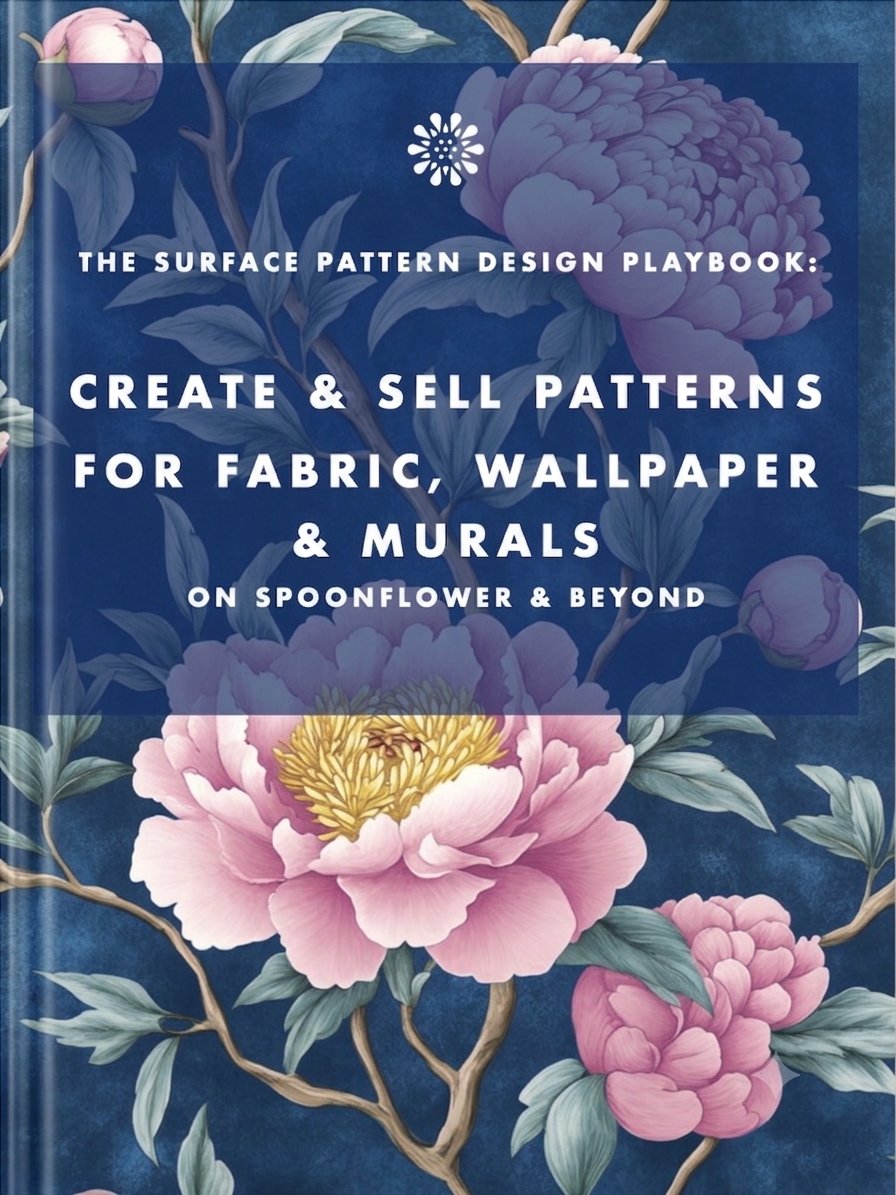
Earn from your design skills
Create & sell patterns for fabric, wallpaper & murals — on Spoonflower & beyond. Client-free, commute-free, creative work you can do from anywhere.
See the book →
A plain-language guide for marketing teams on which AI images and videos need a label under the EU AI Act, what never to upload under GDPR, and how to stay on the right side of copyright.
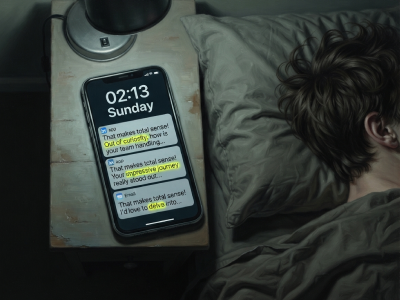
"That makes total sense! Out of curiosity…" are typical sentence snippets in your messages if you're talking to a bot.

A real look at how I use Claude Code, Claude Cowork, Figma and more to design, build and market TickLists, my websites and my Spoonflower patterns, solo.
Keep your design skills up to date with videos,
AI workflows, tutorials, ways to earn $$$ and free resources.
See past email newsletters.
Unsubscribe anytime.