
Most freelance designers charge between £40–£150 an hour (roughly $50–$200), but the honest answer is: hourly is usually the worst way to price your work. What you should charge depends on your experience, your speciality and your region — and, more than anything, the value of the outcome you deliver. Here’s how to set a rate you won’t resent.
1. Hourly rate. Simple and low-risk for the client, but it punishes you for being fast and caps your income at the hours in your week. Best for open-ended or maintenance work.
2. Day rate. A single figure for a day’s work (often your hourly × 7–8, sometimes lightly discounted). Easier to quote, and clients commit to bigger blocks of time. Great for sprints, workshops and retainers.
3. Project / value-based pricing. One price for the whole outcome, based on what it’s worth to the client — not how long it takes you. This is where experienced designers actually make their money.
Work backwards from the income you need:
£60,000 + 40% costs = £84,000 ÷ 1,000 hours = £84/hour as a floor. Most beginners set this far too low.
These vary enormously by country and speciality, so treat them as starting points, not gospel:
UX research, design systems and conversion-focused product work command the top end. Region matters too — a US client often expects (and pays) more than a local small business.
If your redesign helps a client earn an extra £50,000 a year, charging £2,000 “because it took 20 hours” leaves money on the table. Price the result: ask what success looks like, what it’s worth, and what it costs them not to fix it. Your fee then becomes a fraction of the value you create — an easy yes for the client.
After 20+ years in design, the most common mistake I see isn’t charging too much — it’s charging too little. Underpricing:
Your rate is a positioning decision, not just a number. Raise it before you feel “ready” — because you never quite will.
What should a beginner freelance designer charge? Start around £25–£40/hour, but move off hourly as fast as you can. Price small fixed projects so you’re rewarded for getting better and faster, not punished.
Hourly or fixed price — which is better? Fixed/project pricing almost always earns more and removes the clock-watching tension. Use hourly only for genuinely open-ended work.
A client says I’m too expensive — what do I do? Don’t drop your price; reduce the scope instead. Offer a smaller package at a lower price so your rate stays intact.
Should I charge for revisions? Include a set number (e.g. two rounds) in the quote, then bill extra beyond that. Unlimited revisions is how projects — and profits — die.
Pricing is really a confidence skill. Get your portfolio and positioning strong, and charging well gets a lot easier.
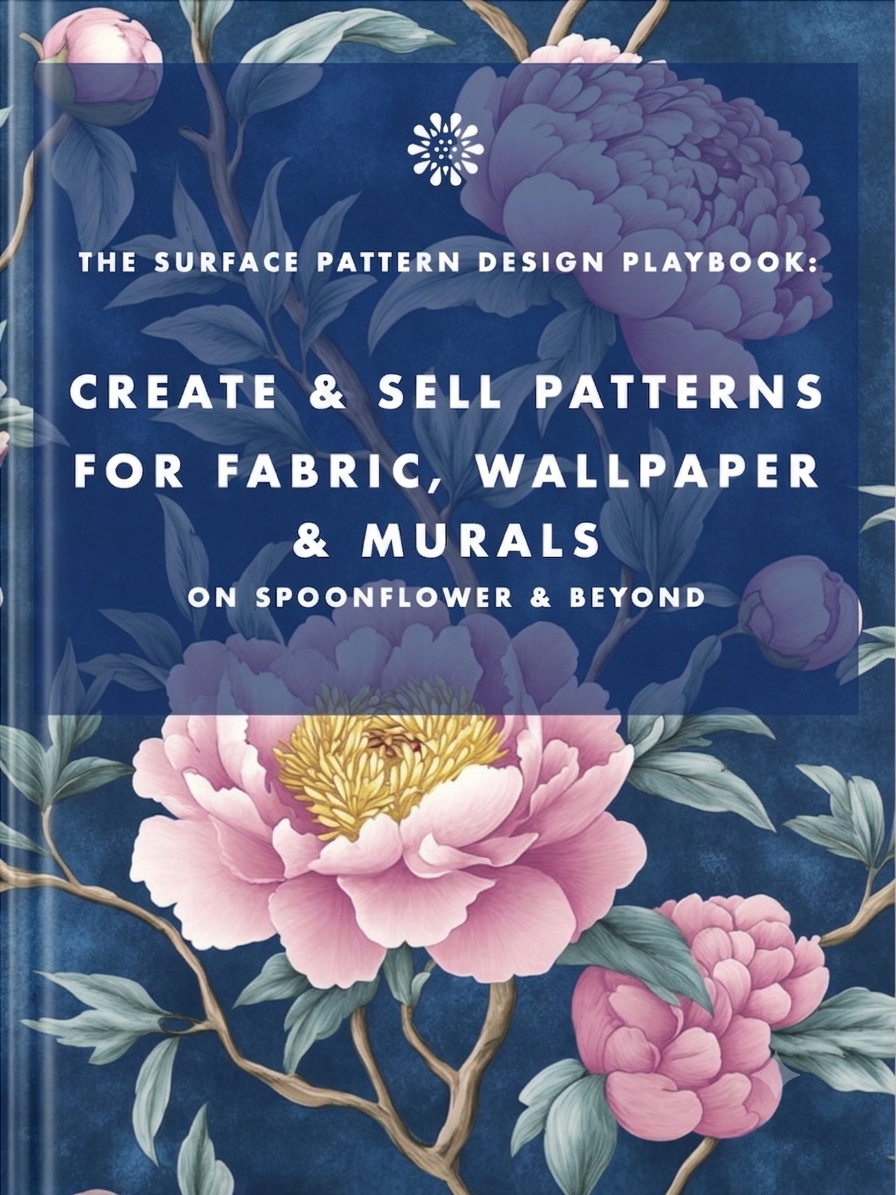
Earn from your design skills
Create & sell patterns for fabric, wallpaper & murals — on Spoonflower & beyond. Client-free, commute-free, creative work you can do from anywhere.
See the book →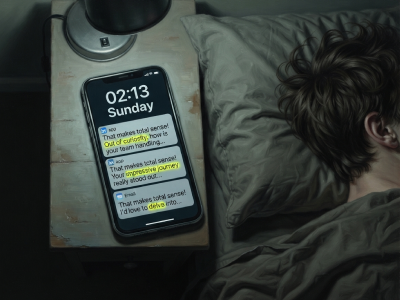
"That makes total sense! Out of curiosity…" are typical sentence snippets in your messages if you're talking to a bot.

A real look at how I use Claude Code, Claude Cowork, Figma and more to design, build and market TickLists, my websites and my Spoonflower patterns, solo.

Job seekers who keep running the old employment playbook are playing a game whose rules have already changed. Here's what's happening in the design job market, and why leverage, not talent, is what separates who's finding traction.
Keep your design skills up to date with videos,
AI workflows, tutorials, ways to earn $$$ and free resources.
See past email newsletters.
Unsubscribe anytime.