
Martin still things cell phones have a long way to go.
I asked Martin what technology needs to be in place before we have his ideal device, and his answer feels particularly relevant this week as I’ve been watching reviews of the Apple Vision Pro, with its eye tracking and gestures:
The purpose of technology is to make your life better. Make your life easier, to improve it in some way. The most modern devices, most cell phones don't do that very well. In fact, they force us to become engineers, to learn a bunch of new things. We shouldn't have to do that.
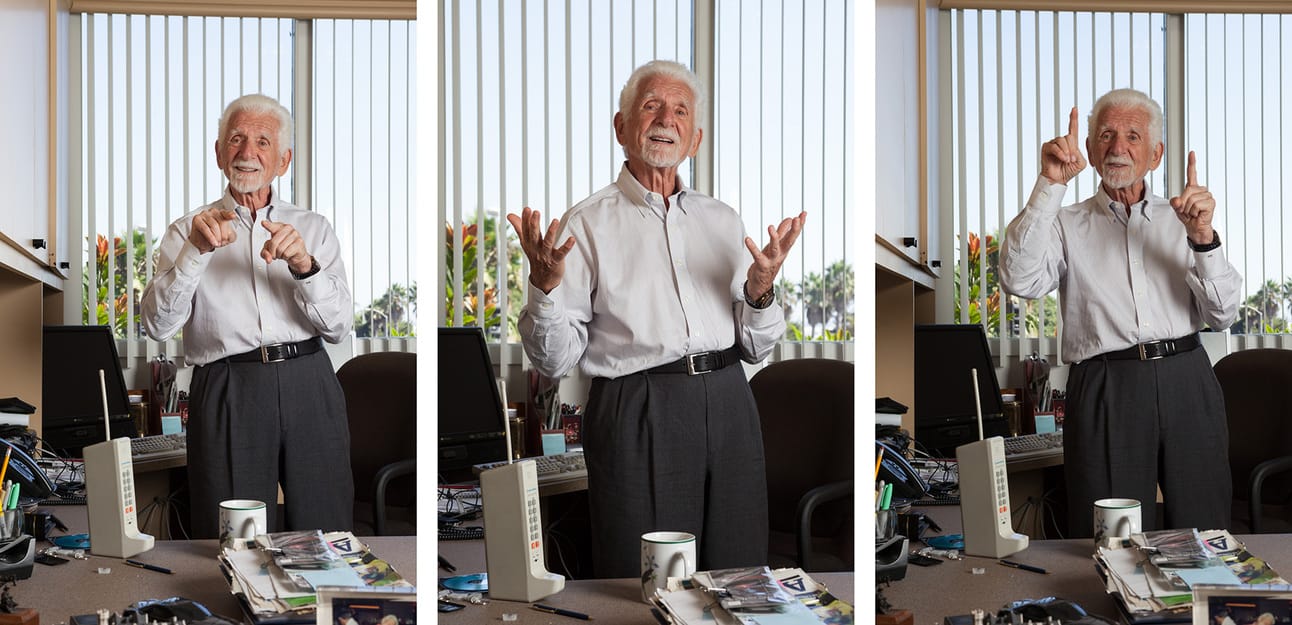
I think the easiest way that we communicate today is by talking, and so I think that's going to be the first thing, and they're starting to make progress. Apple has Siri, Android has similar kinds of things, so I now when I want to go somewhere, I can tell my phone “Open Maps” and then tell it where I want to go, and it understands and it takes me there. So voice is the first one.
Gestures are going to become very, very important. And Microsoft has started to introduce that concepts, as well as Apple. Very simple things, using 1, 2, or 3 fingers. Swiping things. So that's another one. Gestures are going to be important.
There's already a lot of work on watching your eye movements. Your head movements. So that's another way that we communicate with each other. It's a natural way of communicating.
And of course the ultimate, and I don't think it's going to happen in my lifetime, maybe not yours either, is you ought to be able to think of something and have it happen.
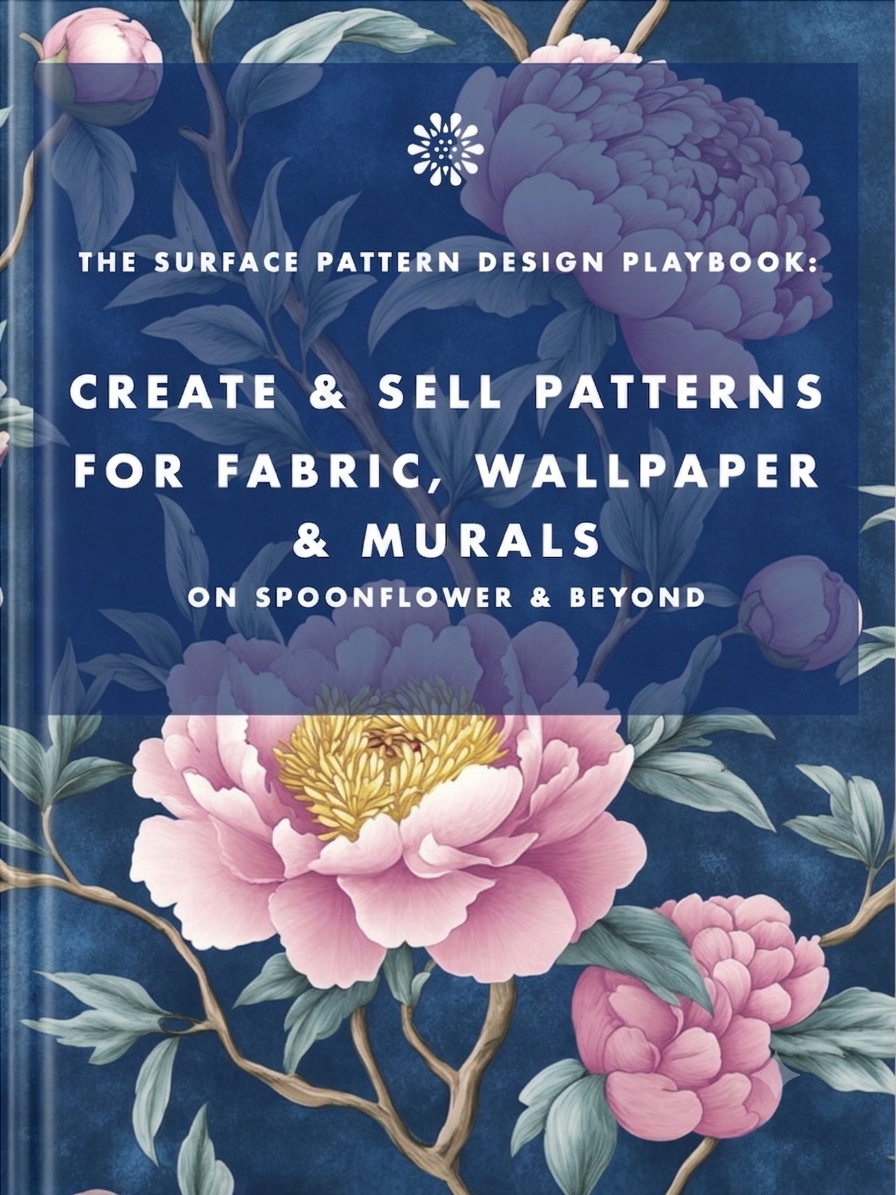
Earn from your design skills
Create & sell patterns for fabric, wallpaper & murals — on Spoonflower & beyond. Client-free, commute-free, creative work you can do from anywhere.
See the book →
Job seekers who keep running the old employment playbook are playing a game whose rules have already changed. Here's what's happening in the design job market, and why leverage, not talent, is what separates who's finding traction.
AI is replicating expertise faster than anyone expected. Here's the real research on what that means long-term — and the five human capabilities (EPOCH) that are becoming more valuable, not less, plus how to actually build and prove you have them.

Blue-sky thinking — starting from an unconstrained, root-cause view of the problem — is the step most UX process skips. Here's how to use it, with a real health-app example and a way to run it yourself.
Keep your design skills up to date with videos,
AI workflows, tutorials, ways to earn $$$ and free resources.
See past email newsletters.
Unsubscribe anytime.