
The design job market hasn't just got harder. It's structurally broken at the entry level, and the designers finding their footing fastest are the ones who stopped waiting for permission to start.
Entry-level tech job postings fell 25% year-on-year in 2024. Software engineering roles dropped 67% in a single year. Design hasn't fallen quite as sharply, but the trajectory is the same: fewer openings, more applicants, and a job description that now routinely asks for two to three years of experience for a role titled "junior."
Why? Companies discovered that AI tools can absorb much of what used to justify a junior hire — asset production, wireframe iteration, copy variants, icon sets. A 2024 SHRM survey found 70% of hiring managers believe AI can do the work of interns, and 57% said they trust AI's output more than that of recent graduates.
The ladder hasn't just got harder to climb. The first rung has been quietly removed.
Here's what nobody tells you clearly enough: the modern job application process is designed to process volume, not to find you. Applicant tracking systems filter CVs before a human sees them. Interview processes stretch to five or six rounds. Ghosting after final interviews is routine.
In 2024, the average job posting attracted hundreds of applications and invited just 3% to interview. Three in five unemployed job seekers reported significant mental health changes — anxiety, self-doubt, loss of confidence — during their search. And the damage compounds: people who became depressed during unemployment had 67% lower odds of finding work within four years.
Spending months — sometimes years — mass-applying is not a strategy. It's a slow erosion of the very confidence and energy you need to get hired. Meanwhile, you could be building skills, shipping real products, and generating portfolio evidence that actually moves the needle. Time spent on the application treadmill is time not spent becoming someone genuinely hireable.
Here's the inversion worth paying attention to: the same AI tools that compressed junior design roles have collapsed the gap between "designer" and "product builder."
A designer in their twenties with a laptop, a Figma account, and access to Claude can now conceive, prototype, ship, and iterate on a real product — without a team, without a budget, without anyone's permission. That was not true five years ago. The tooling required a team. Now it doesn't.
This is the designer-builder: someone who designs and ships, who treats their portfolio not as a collection of case studies but as a catalogue of things they've actually made. Not mockups. Not concepts. Real, working, live products.
Sebastian Roehl, a solo developer in Germany, made over $600,000 in 2025 from mobile apps he built alone. He's not an outlier in type — just in scale. Across the indie maker community, solo builders are routinely generating meaningful side income from small, well-designed apps. The tools to join them are now accessible to anyone who can design.
They ship before they feel ready. The portfolio is live — a PWA, a web app, a tool — not a Behance deck of hypothetical redesigns.
They're visible. They write about what they're building. They post the process. They get found. They pick up freelance work, early users, and occasionally job offers from companies who see evidence of what they can actually do.
They learn to close the loop. A case study shows you can think through a problem. A shipped product shows you can see it through. That gap is everything to a hiring manager in 2025.
And they treat the job hunt as one channel, not the only channel. Some get hired. Some don't need to be.
Do apply for jobs — but cap your time on it. A focused, targeted search is reasonable. Spending eight hours a day on job boards for months is not. It will hollow you out.
Build something real while you search. Not a redesign of Spotify. Something small, useful, and genuinely yours. A PWA you can share a URL for. It doesn't need to be profitable — it needs to be real.
Learn to close the gap between design and code. You don't need to become a developer. But designers who can prototype in code — using tools like Claude Code to build working interfaces from their Figma designs — are demonstrably more hireable and more capable of shipping solo. The workflow is now genuinely accessible: design in Figma, prototype live with Claude, iterate fast.
Ship in public. Write a short post about what you made and why. Put the URL in your bio. Let the work be visible. This compounds over time in a way that applications don't.
The design industry is being reorganised around people who make things. The fastest way in — whether that's a job, a client, or your own income — is to become someone who demonstrably does that.
Every week I send a design email that makes you better at your craft. I'll be covering a lot of things around 'How to use AI in your design workflows' — especially how to prototype with Claude Code instead of Figma to get an app live in days.
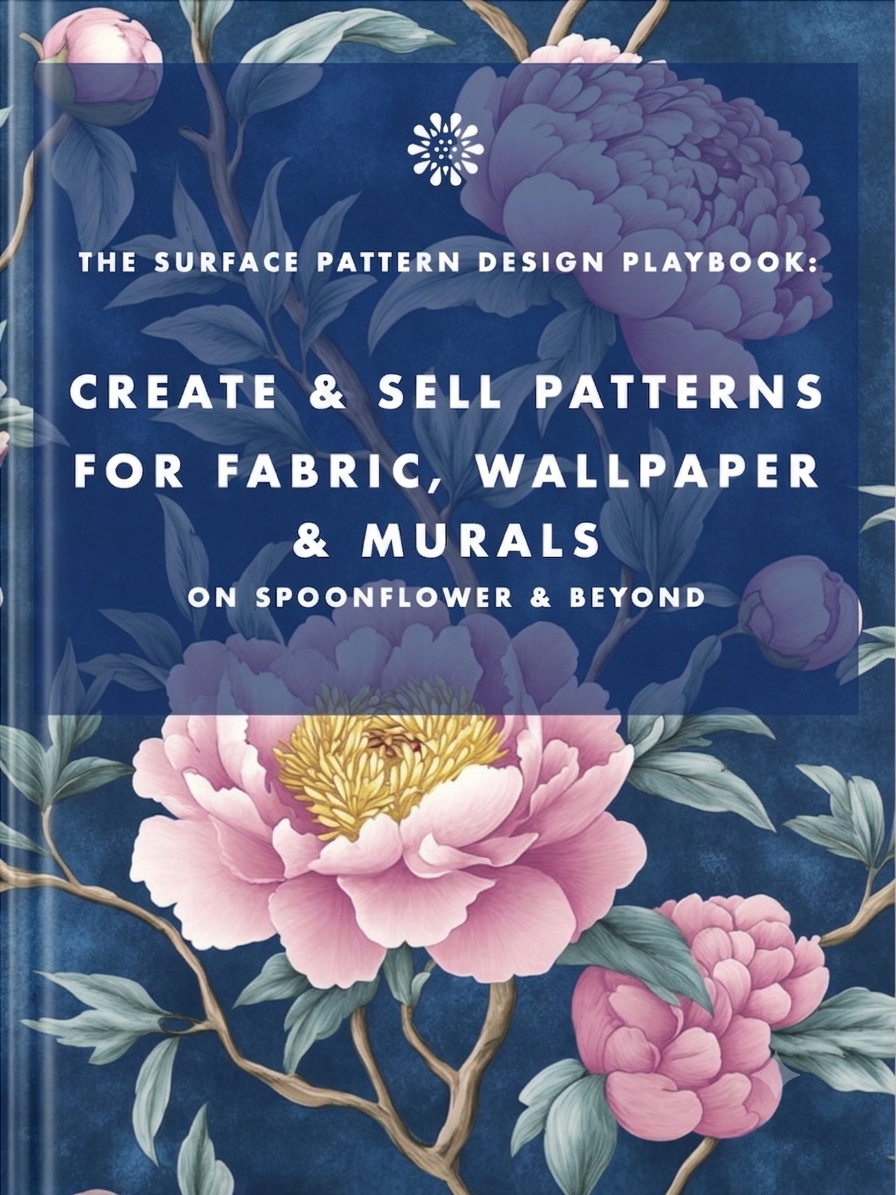
Earn from your design skills
Create & sell patterns for fabric, wallpaper & murals — on Spoonflower & beyond. Client-free, commute-free, creative work you can do from anywhere.
See the book →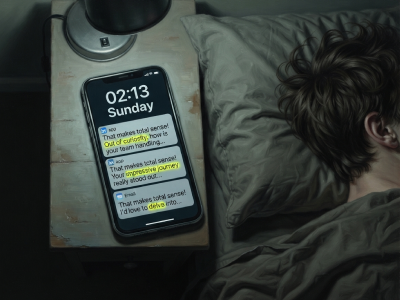
"That makes total sense! Out of curiosity…" are typical sentence snippets in your messages if you're talking to a bot.
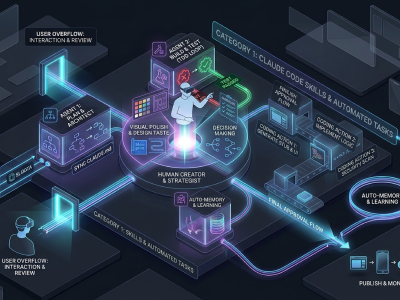
A real look at how I use Claude Code, Claude Cowork, Figma and more to design, build and market TickLists, my websites and my Spoonflower patterns, solo.

Job seekers who keep running the old employment playbook are playing a game whose rules have already changed. Here's what's happening in the design job market, and why leverage, not talent, is what separates who's finding traction.
Keep your design skills up to date with videos,
AI workflows, tutorials, ways to earn $$$ and free resources.
See past email newsletters.
Unsubscribe anytime.