
UX Design is complicated, takes lots of time, user research, wireframing, user testing and iteration. To be able to tell that 'data story' to the audience properly, a portfolio page should include research & testing statistics and showcase the resulting 'experiences' which if done well, requires clickable prototypes, video and video which animates the features.
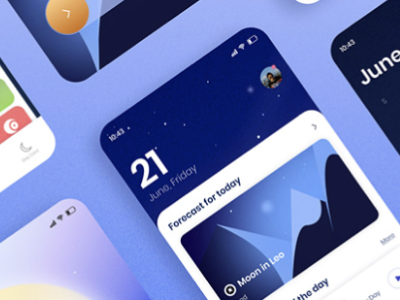
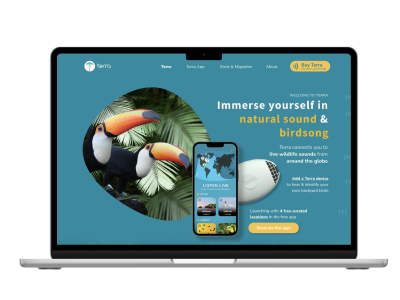
Unfortunately what is actually happening in the industry is that the majority of recruiters are being 'sucked in' by good visual design (UI) in flat boxes which has very little to do with the design of the experience.
I recently mentioned to a student that if they make their portfolio look stunning, the content could be garbage written by AI, but it would still land them interviews.
A good UX or product design portfolio needs to have 2 things to land you interviews and then a decent job:
The majority of people reviewing UX or product design applications are impressed by 'pretty looking portfolios' with nice colours, typography and whitespace layout. They have absolutely no idea that they are looking solely at visual design and UI design, and not taking into consideration the UX skill of the applicant.
They then invariably demand that every single applicant do a '3-hour' design challenge to 'prove' their UX skill, and this only goes to show that the company and person demanding the challenge are not worth speaking to any further. You absolutely cannot do any meaningful UX work in 3 hours. The people who 'win' at these design challenges just grab a UI kit and 'throw' some UI elements on the page and there is no UX involved at all.
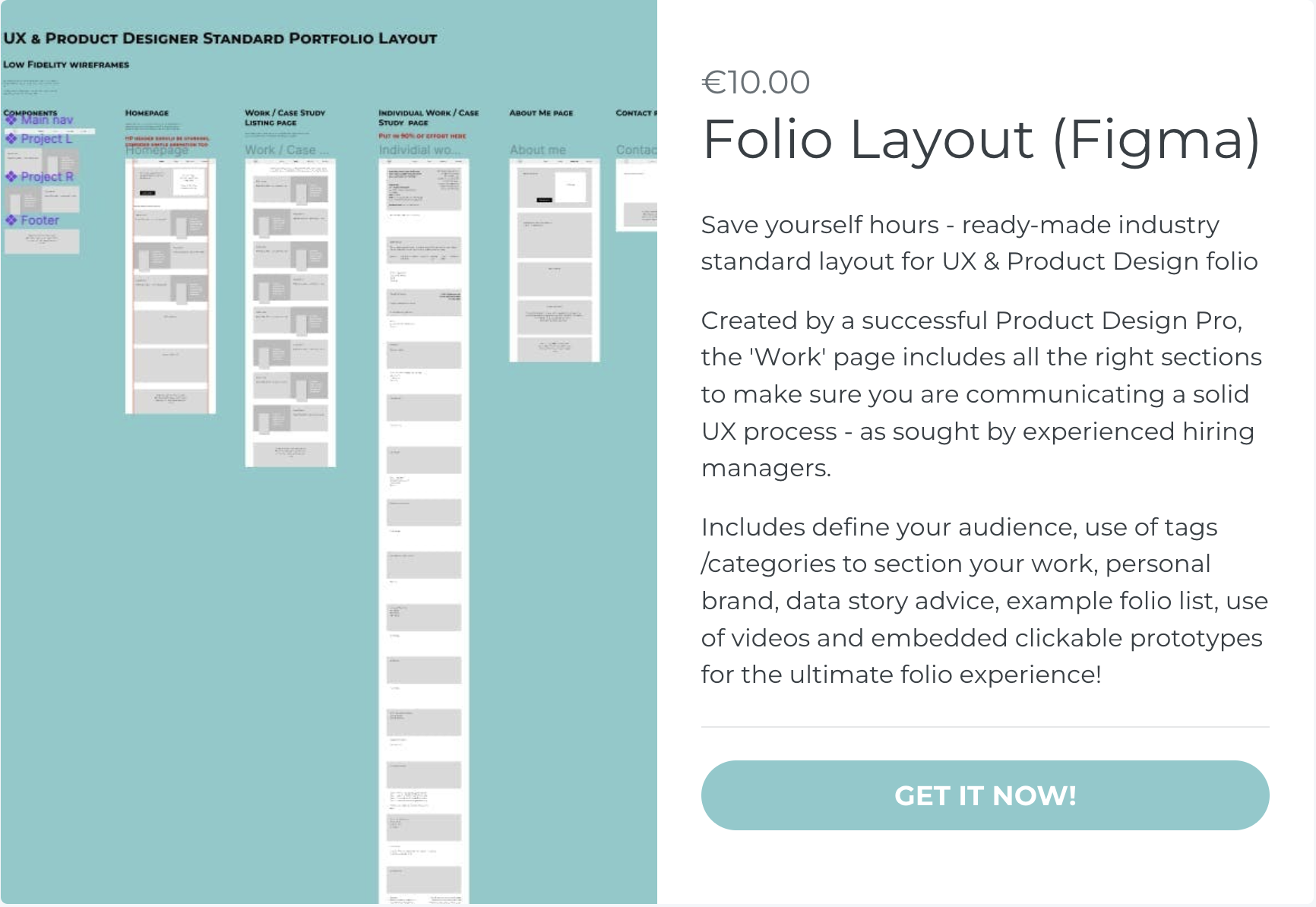
If you're frustrated with the job application process so far, you might like to sign up for my Portfolio Clinic Event which aims to help you land your dream job in UX or Product Design by improving your portfolio to the level of **Stunning**
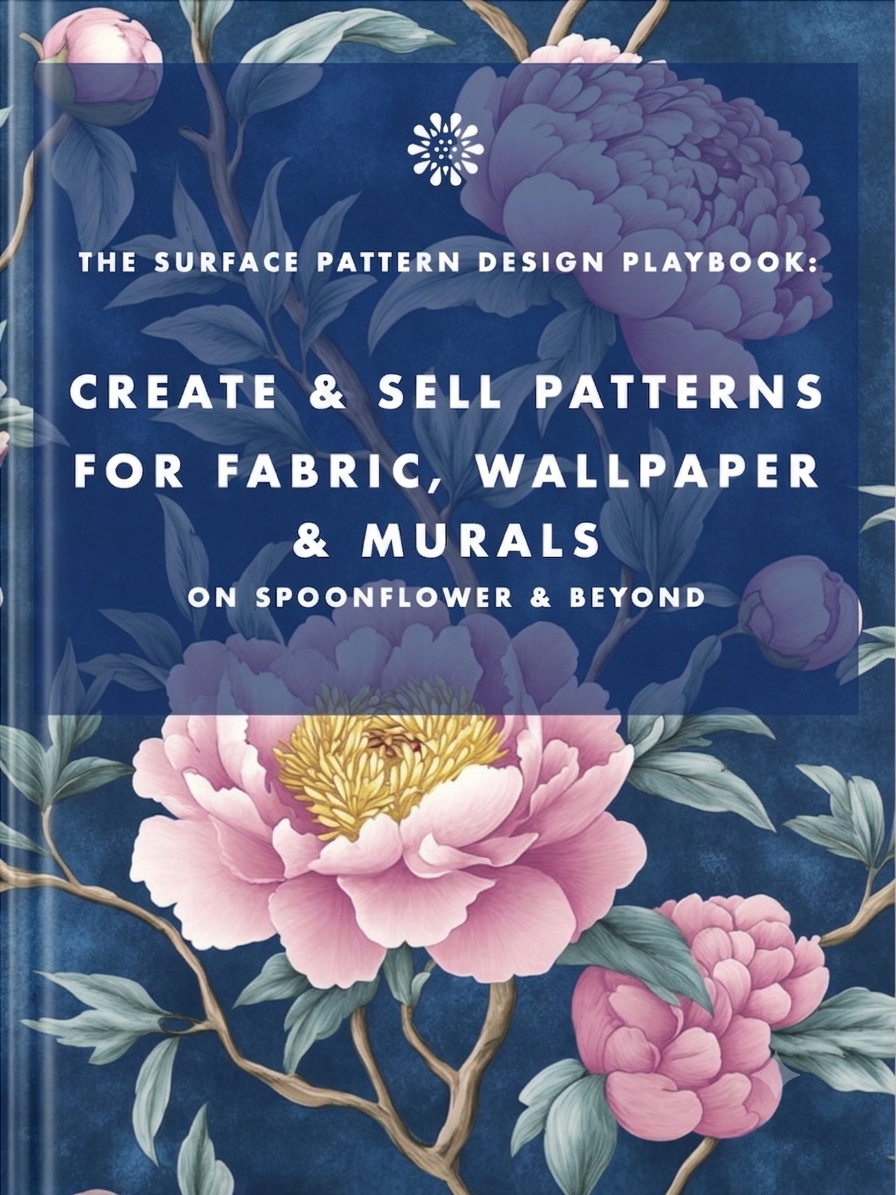
Earn from your design skills
Create & sell patterns for fabric, wallpaper & murals — on Spoonflower & beyond. Client-free, commute-free, creative work you can do from anywhere.
See the book →
A real look at how I use Claude Code, Claude Cowork, Figma and more to design, build and market TickLists, my websites and my Spoonflower patterns, solo.

Job seekers who keep running the old employment playbook are playing a game whose rules have already changed. Here's what's happening in the design job market, and why leverage, not talent, is what separates who's finding traction.
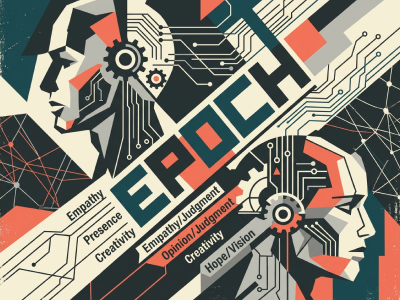
AI is replicating expertise faster than anyone expected. Here's the real research on what that means long-term — and the five human capabilities (EPOCH) that are becoming more valuable, not less, plus how to actually build and prove you have them.
Keep your design skills up to date with videos,
AI workflows, tutorials, ways to earn $$$ and free resources.
See past email newsletters.
Unsubscribe anytime.